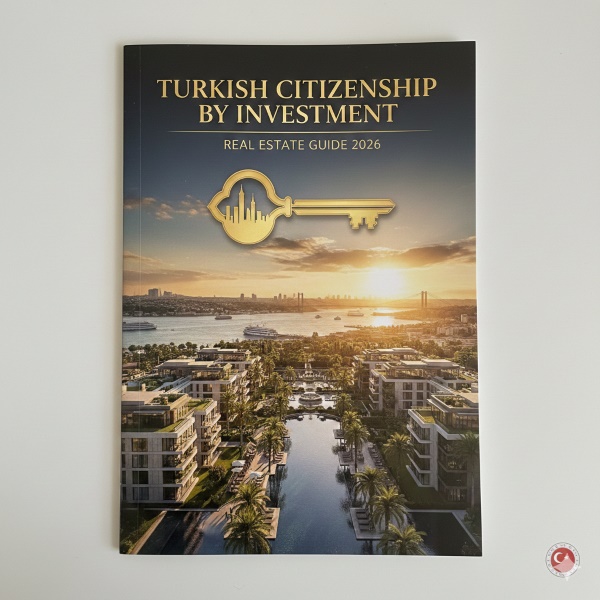


If you’ve been dreaming about owning a sun-soaked apartment, a rental-ready investment, or even securing a second residency, buying property in Turkey might be one of the smartest moves you can make right now. With competitive prices, strong rental yields, and a strategic location bridging Europe and Asia, Turkey continues to attract global investors.
Let’s break down exactly how to do it step by step and how to maximize your return.
Why Invest in Turkey?
Turkey isn’t just beautiful, it’s profitable.
Affordable entry prices compared to Europe,
High rental demand in cities like Istanbul,
Citizenship by investment opportunities,
Growing tourism sector driving short-term rental income,
Whether you’re buying for lifestyle or ROI, the fundamentals are strong.
Step-by-Step: How to buy Property in Turkey
- Define Your Investment Goal
Before browsing listings, get clear on your purpose:
Rental income (short-term vs long-term)
Capital appreciation
Holiday home
Citizenship eligibility
Your strategy determines location, property type, and budget. - Choose the Right Location
Each region offers something different:
Istanbul – Best for capital growth and year-round rental demand
Coastal areas (Antalya, Bodrum) – Ideal for vacation rentals
Pro tip: Look for areas near transport, universities, or business hubs. - Set Your Budget (and Hidden Costs)
Beyond the property price, factor in:
Title deed tax (4%)
V.A.T. Tax (between 1%, 8% or 18%, depending on the Development and its location)
Agent commission
Furniture & setup (if renting)
A realistic budget prevents surprises later. - Work With a Licensed Agent
A trustworthy real estate agent can:
Find vetted properties
Negotiate better prices
Guide you through legal processes
Avoid dealing directly with unverified sellers, this is where many foreign buyers make mistakes. - Get a Turkish Tax Number
You’ll need this to:
Open a bank account (optional)
Complete the purchase
It’s quick and can be done at any local tax office. - Property Valuation Report
Turkey requires an official valuation report to:
Prevent overpricing
Ensure transparency for foreign buyers
This also impacts citizenship eligibility if that’s your goal. - Sign the Sales Contract & Pay Deposit
Typical deposit: 1–10% depending on the Development.
Make sure the contract includes:
Payment schedule,
Title deed (TAPU) transfer date,
Penalties for delays - Transfer the Title Deed (Tapu)
This is the most important step where you can be part of the transfer at the Title Deed (TAPU) office or give a power of attorney to any person of your choice.
Once completed, you officially own the property.